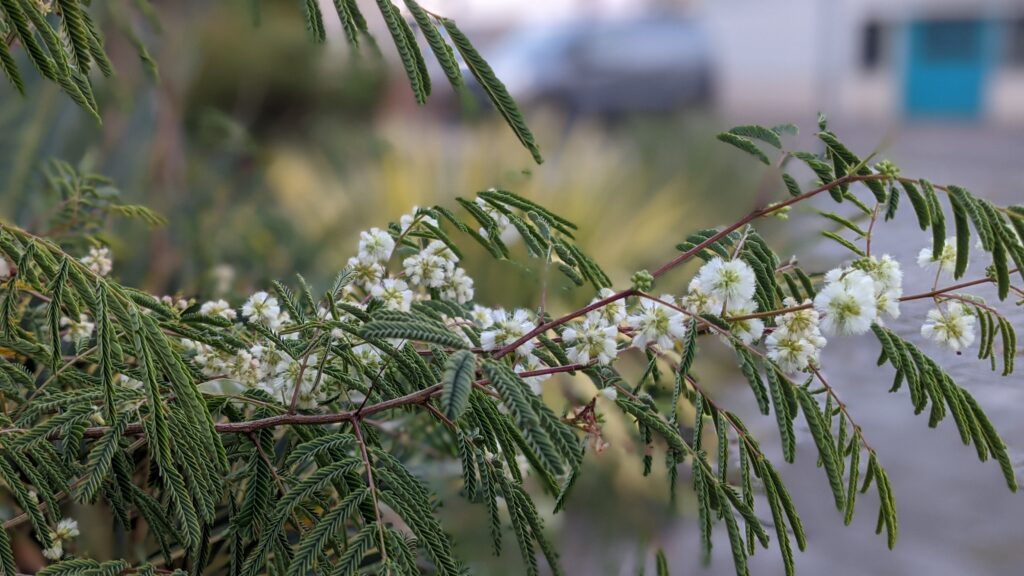
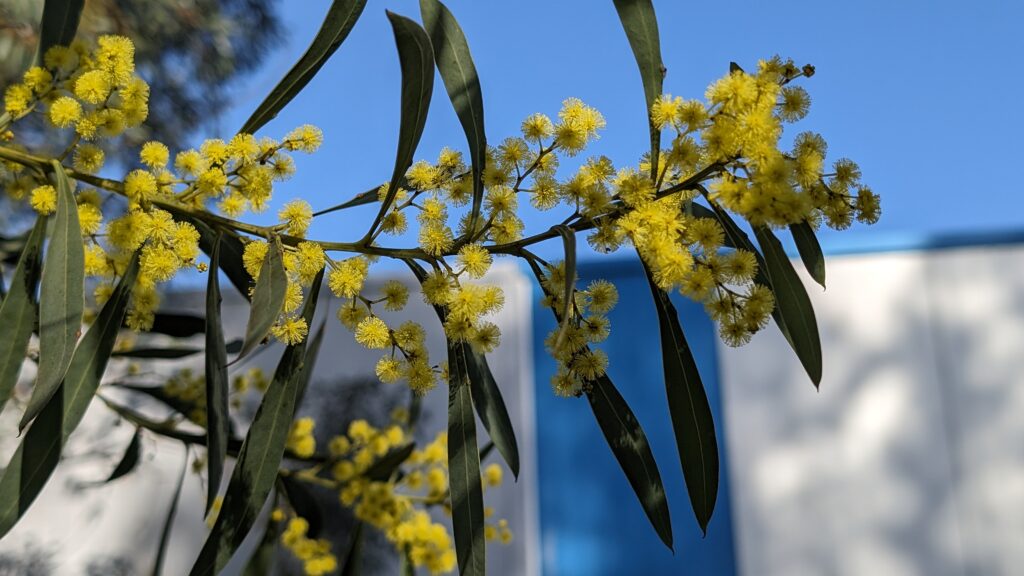
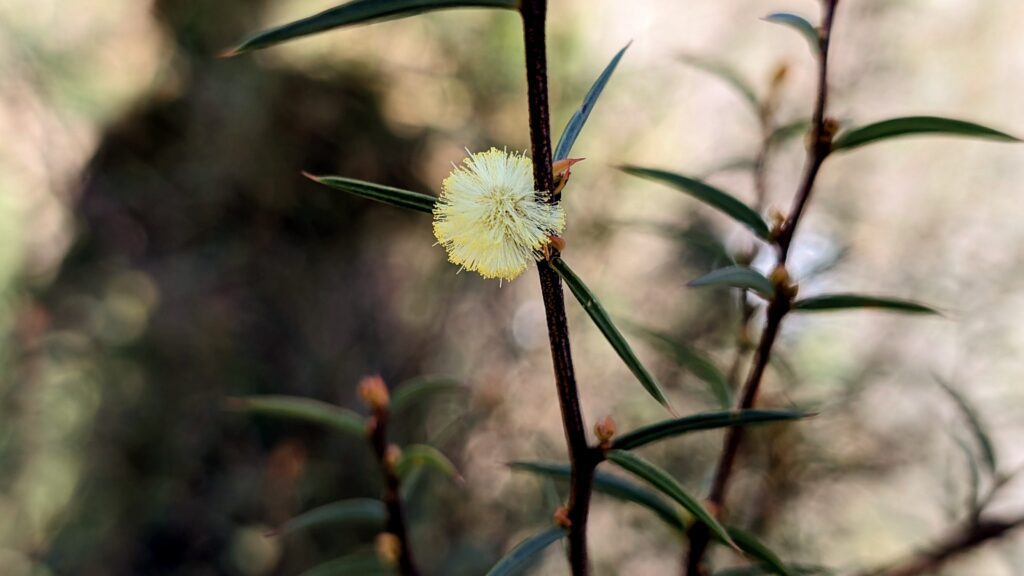
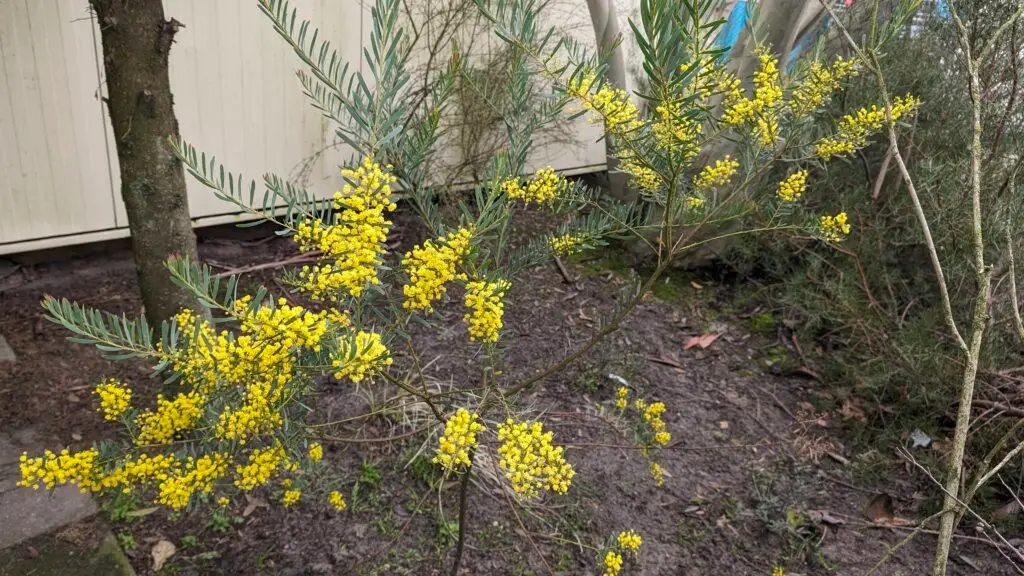
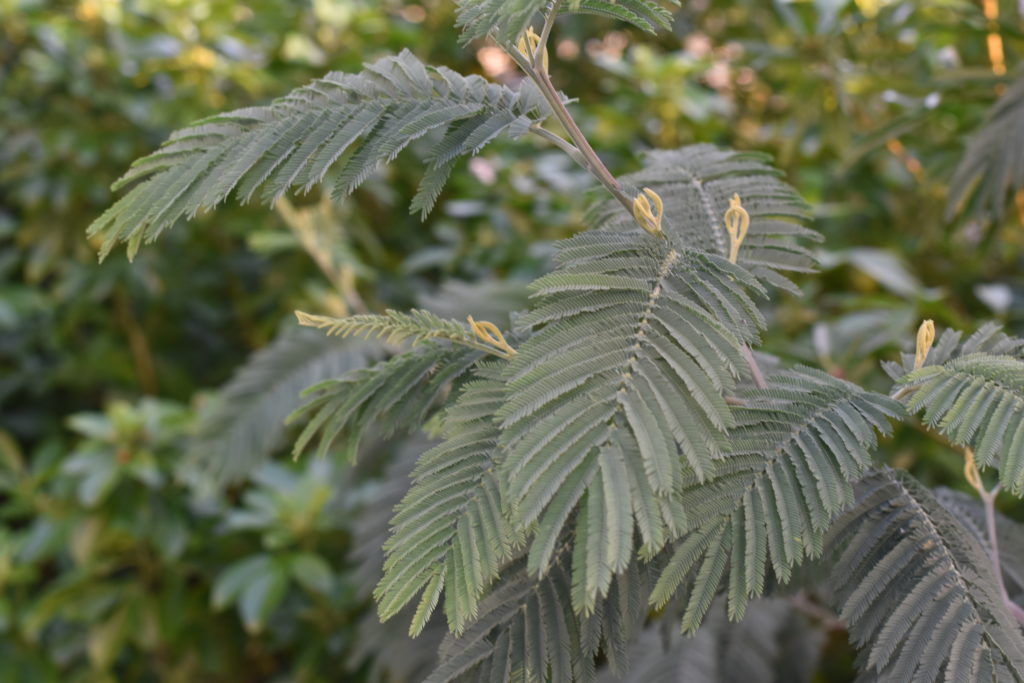
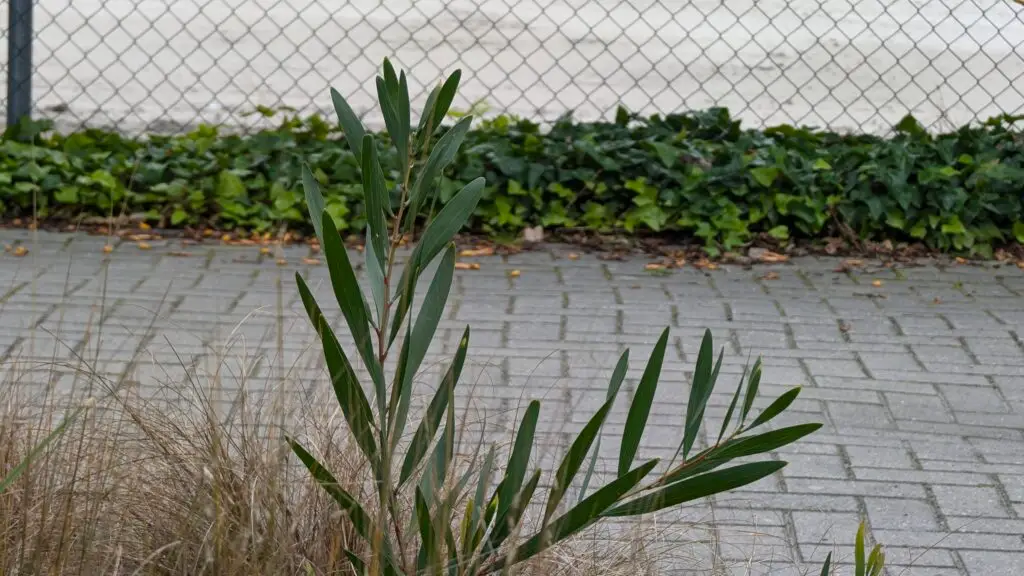
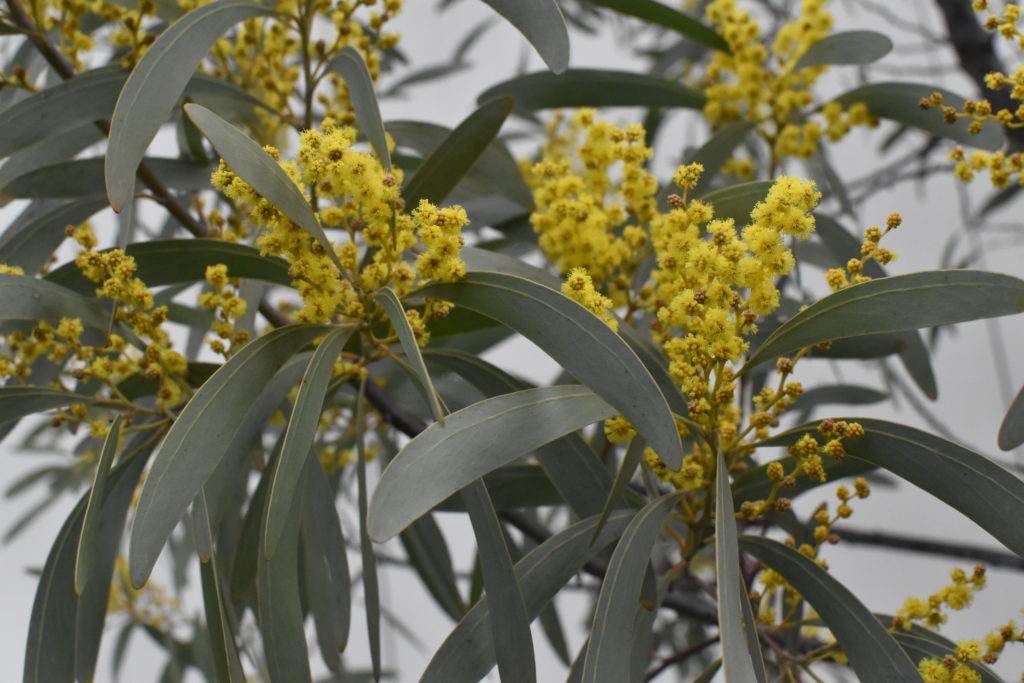
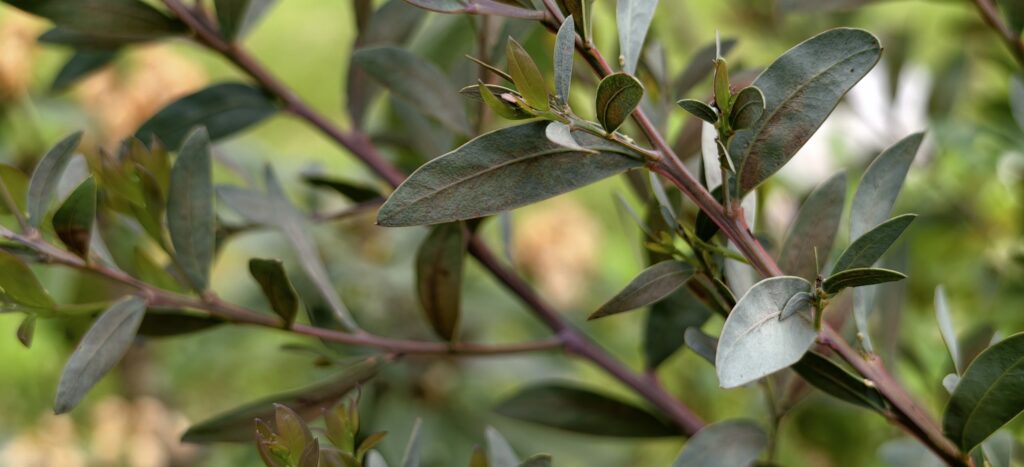
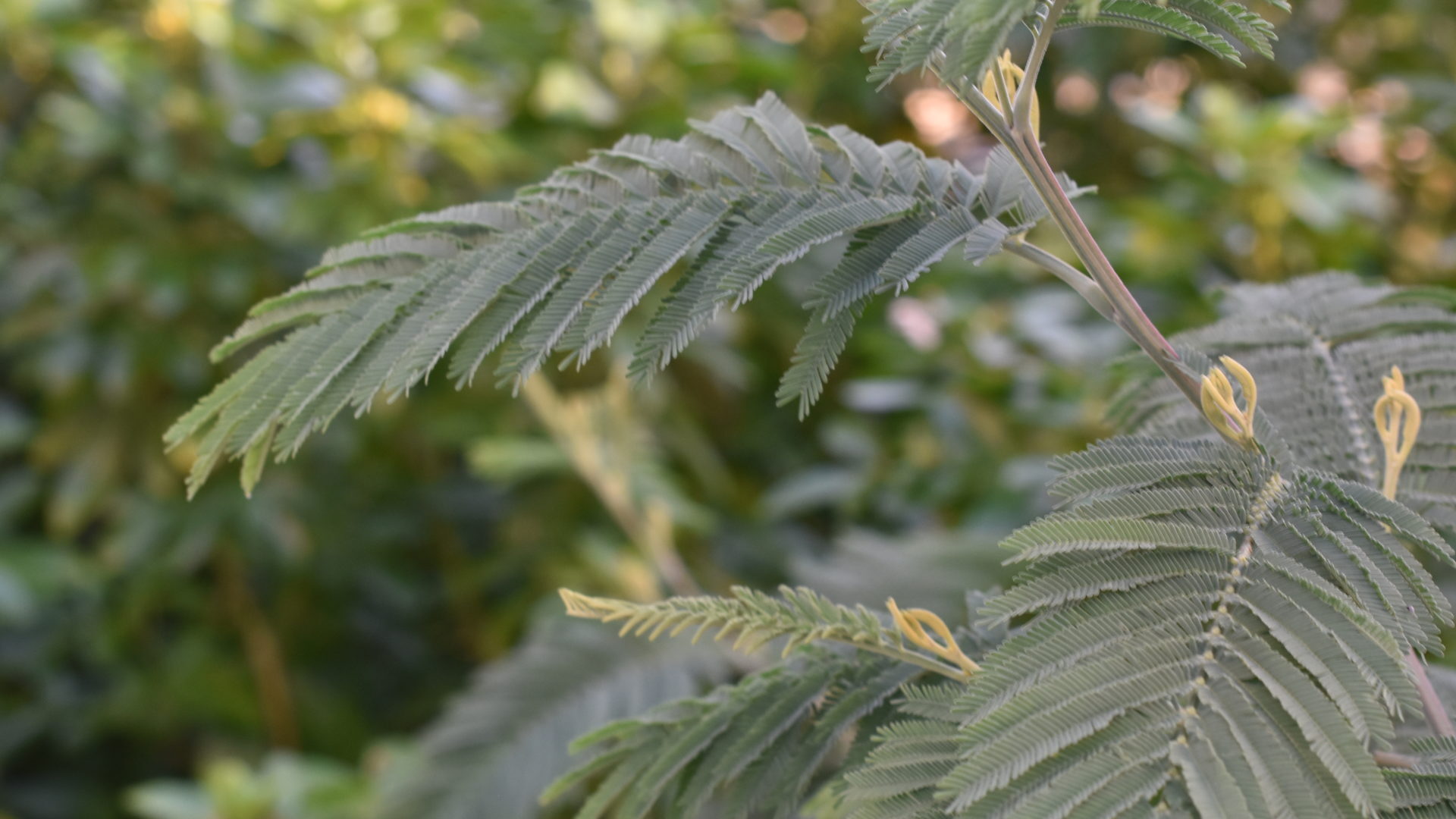
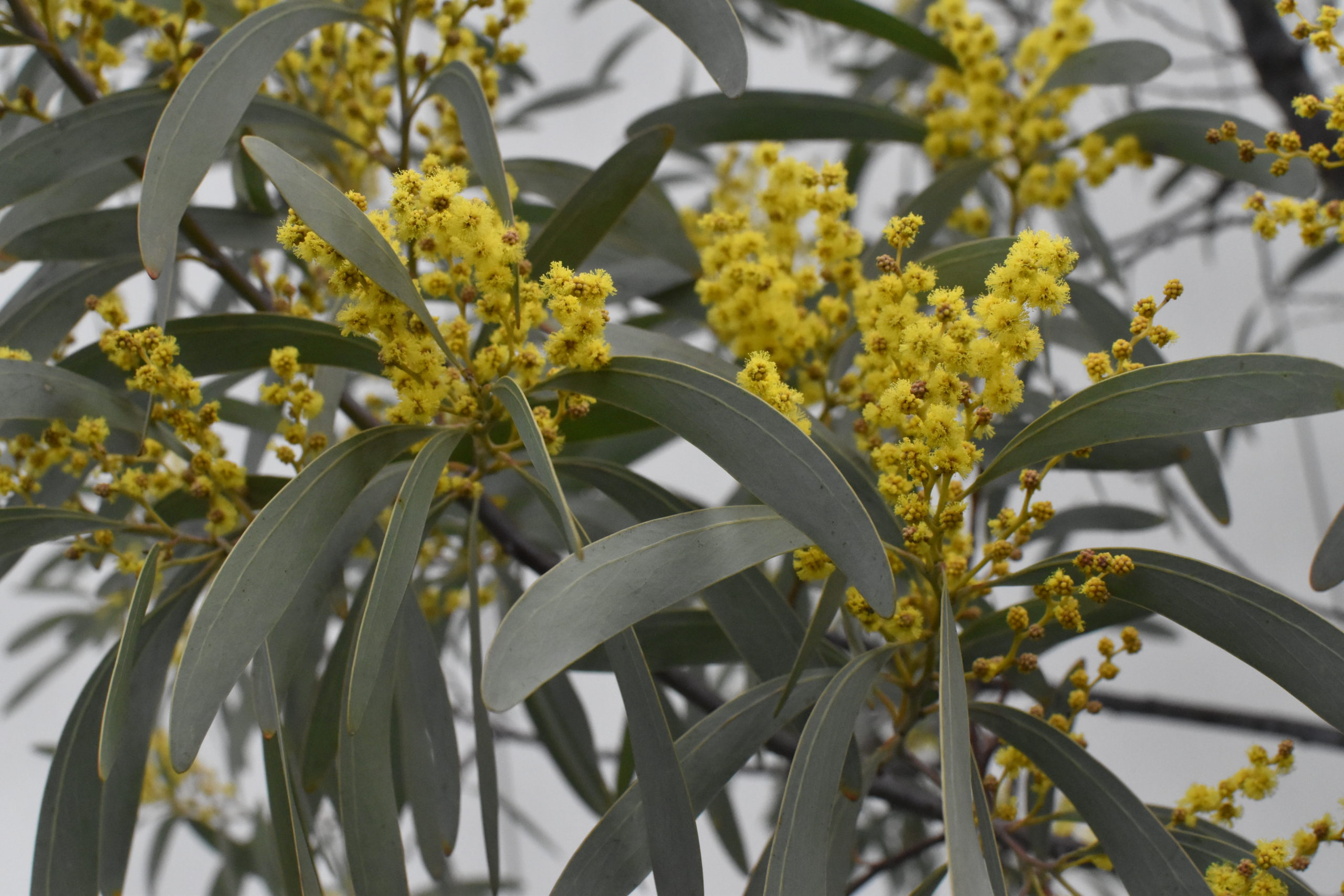
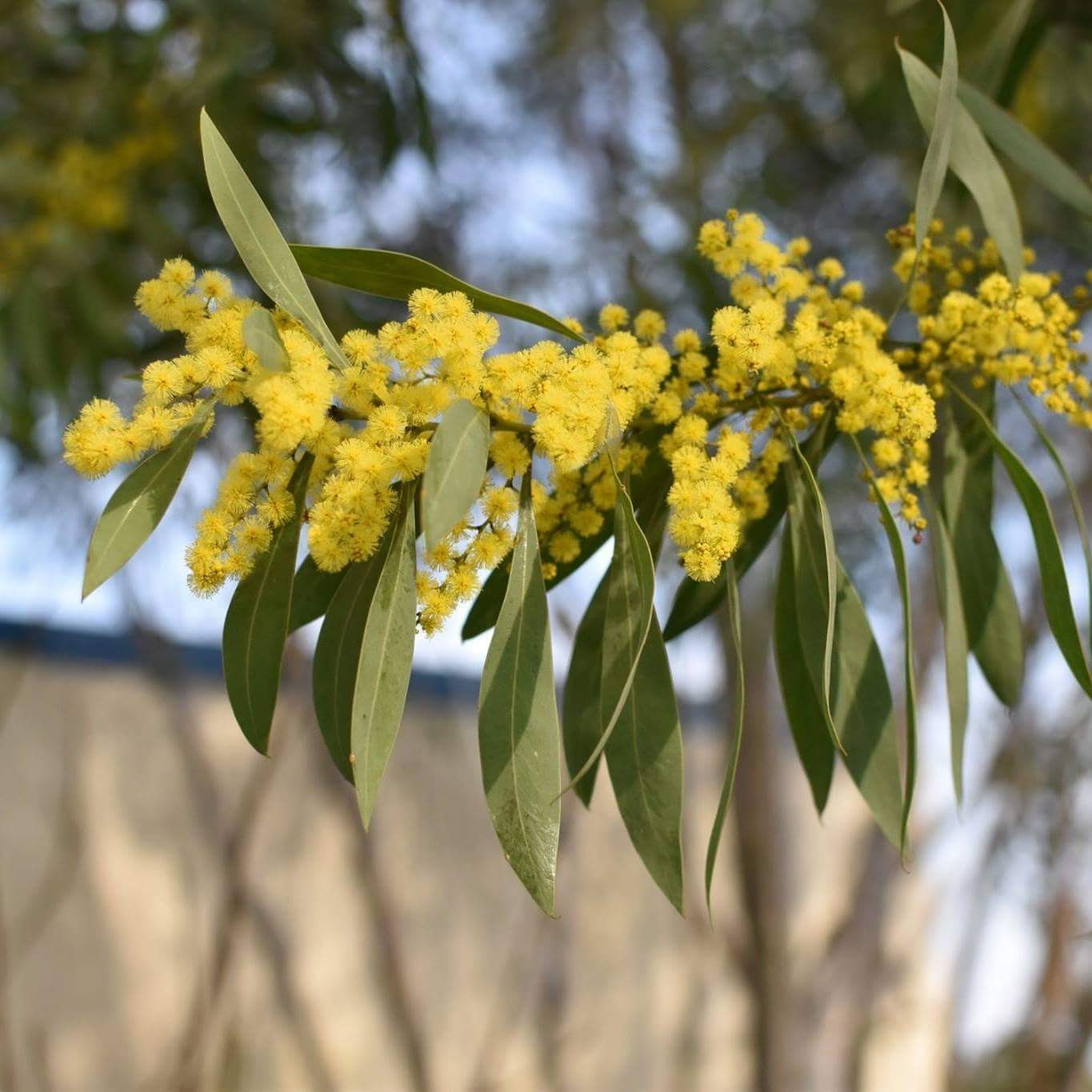
Acacia is a genus of trees and shrubs belonging to the Fabaceae family. These plants are found worldwide, particularly in tropical and subtropical regions. Acacias are known for their thorns and compound leaves, which provide significant protection against herbivores. There are more than 1,000 different species of acacia, many of which are found in Australia and Africa. In Australia, the acacia is often referred to as “wattle,” and the golden wattle (Acacia pycnantha) is even the country’s national symbol.
Most acacias have long, narrow leaves, but some species also have small, needle-like leaves. Acacia flowers are small but grow in dense clusters, which are often a striking yellow or white. These flowers produce a lot of nectar, making them popular with bees and other pollinators. Acacias also play an important role in soil improvement, as they can fix nitrogen from the air through symbiosis with bacteria in their roots.
We have the following Acacia species in our garden. Click on one of the photos for more information about the species in question
We had the Acacias listed below in our garden for several years, but they didn’t survive. That doesn’t mean you shouldn’t try these varieties. After all, we had the Acacia obliquinervia in our garden for more than ten years.
In 2021, I sowed the following Acacia species:
Acacia boormanii (in the garden since 2022, > -10°C)
Acacia costiniana (in the garden since 2022)
Acacia siculiformis (in the garden since 2022, -16°C)
The plants listed below did not survive and died either in the garden or in a pot.
Acacia kybeanensis (-16°C)
Acacia obliquinervia (-16°C)
Acacia oxycedrus
Acacia pravissima (-15°C)
Acacia dealbata nanodealbata
Acacia dealbata ssp. subalpina
Acacia pataczekkii
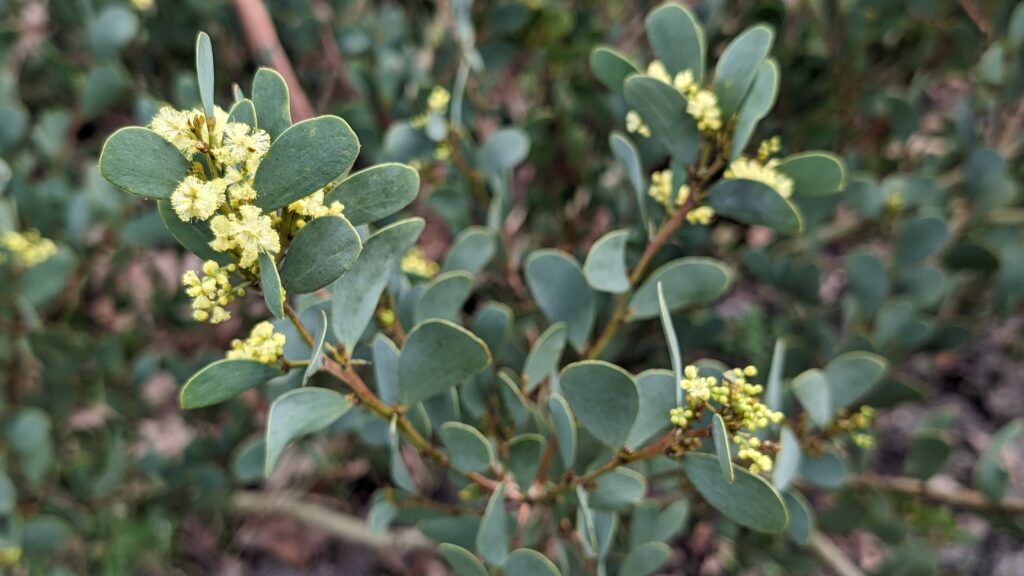
The two species listed below should also be able to withstand a fair amount of frost
Acacia allachiana (-14°C?) (
Acacia lucasii (?)